
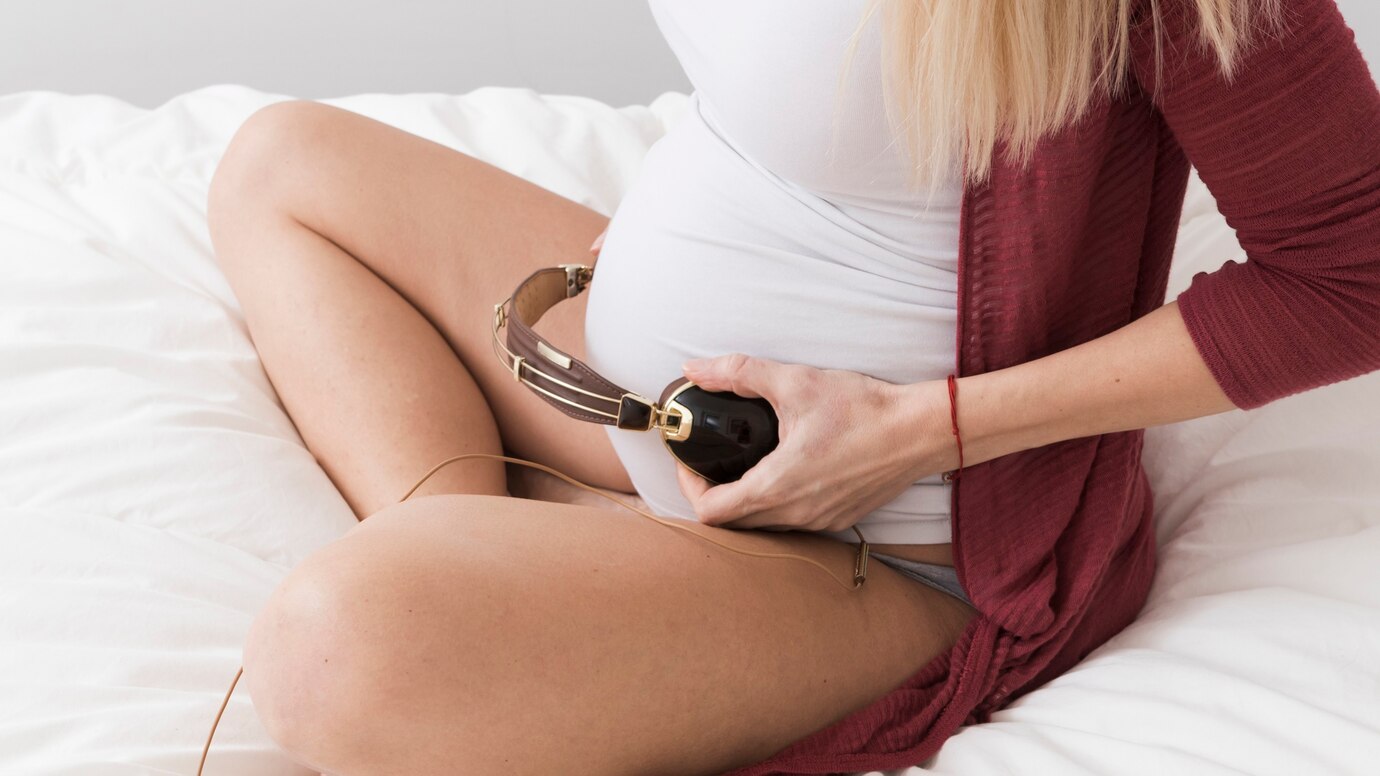
Pregnancy brings numerous changes to a woman’s body, and one common concern is the appearance of stretch marks. These skin distensions can be prevented and, if they occur, treated early to facilitate repair. Understanding the causes, types, and propensity factors can help you take proactive steps to protect your skin.
Why Do Stretch Marks Appear During Pregnancy?
Stretch marks result from rapid skin stretching. During pregnancy, the body expands quickly, making stretch marks a widespread issue. While they commonly appear on the abdomen, they can also affect the buttocks, flanks, thighs, and breasts.
Hormonal changes during pregnancy also play a significant role. Increased hormone levels, such as estrogen, can make skin fibers more susceptible to stretching. Although stretch marks pose no health risks, they can affect self-esteem and quality of life.
Types of Stretch Marks
Stretch marks are classified into two types:
- Early Stretch Marks: These are linear and appear pink or skin-colored.
- Late Stretch Marks: These have been present for a longer duration, are more challenging to treat, and are characterized by their white color and greater thickness.
Factors Increasing Predisposition to Stretch Marks
Several factors can make you more prone to developing stretch marks during pregnancy:
- Genetics: A hereditary tendency increases the likelihood of developing stretch marks.
- Increased Weight Gain: The greater the weight gain during pregnancy, the higher the risk of stretch marks.
- Age: Younger women are more prone to stretch marks because their skin is typically less lax.
- Lack of Skin Care: Neglecting skin protection increases the likelihood of lesions.
Tips for Preventing and Treating Stretch Marks

Preventing stretch marks involves consistent skin protection and care. Here are some recommendations for preventing and repairing stretch marks during pregnancy:
- Moisturizing: Hydrating the skin is essential, especially during pregnancy. Apply creams at least twice daily, focusing on areas prone to stretch marks. Choose products carefully, avoiding substances like retinoic and salicylic acids, which are not recommended during pregnancy. The last trimester requires extra hydration as the baby gains weight, causing the abdomen to expand. Combat low humidity by using creams more frequently.
- Use of Oils: Oils are excellent for keeping skin hydrated. Use oils based on almond, grape seed, and rosehip generously in areas where stretch marks tend to appear.
- Massage: Massages can prevent stretch marks. Pregnant women can perform light circular movements from bottom to top during hydration or seek professional lymphatic drainage.
- Avoid Tight Clothing: Tight clothing can disrupt blood circulation and contribute to stretch marks. Opt for comfortable, loose-fitting garments.
- Avoid Hot Baths: Hot baths can dry out the skin, making it more vulnerable to stretch marks. They are not recommended, especially during pregnancy, as they can also cause blood pressure drops and impair blood flow to the baby.
- Visit a Dermatologist: Consult a dermatologist for personalized guidance on treating stretch marks. They can assess the condition of your stretch marks and recommend the best repair methods. Dermatologists can suggest safe cosmetic procedures during pregnancy, such as light peelings without acid and coagulation, performed under supervision. After pregnancy, treatments like radiofrequency, laser treatments, and carboxytherapy may be considered.
- Be Mindful of Your Diet: A balanced, nutritious diet is essential for preventing stretch marks and promoting a healthy pregnancy. Consume plenty of vegetables and foods rich in vitamins C and E to maintain vitality. Incorporate dried fruits, nuts, citrus fruits, dark leafy greens, beans, lentils, and egg whites to stimulate collagen production. Avoid ultra-processed, fatty, salty, sugary, and fried foods to prevent excessive weight gain.
- Stay Hydrated: Drink plenty of water to support overall bodily function and skin protection.
While stretch marks are common during pregnancy, taking proactive steps can help minimize their appearance. Incorporate these care tips into your routine to protect your skin and promote a healthy pregnancy.